Smelly Kitchen Sink & How To Fix It

Chris Collins • June 7, 2023

Tired of that awful smelling kitchen sink?
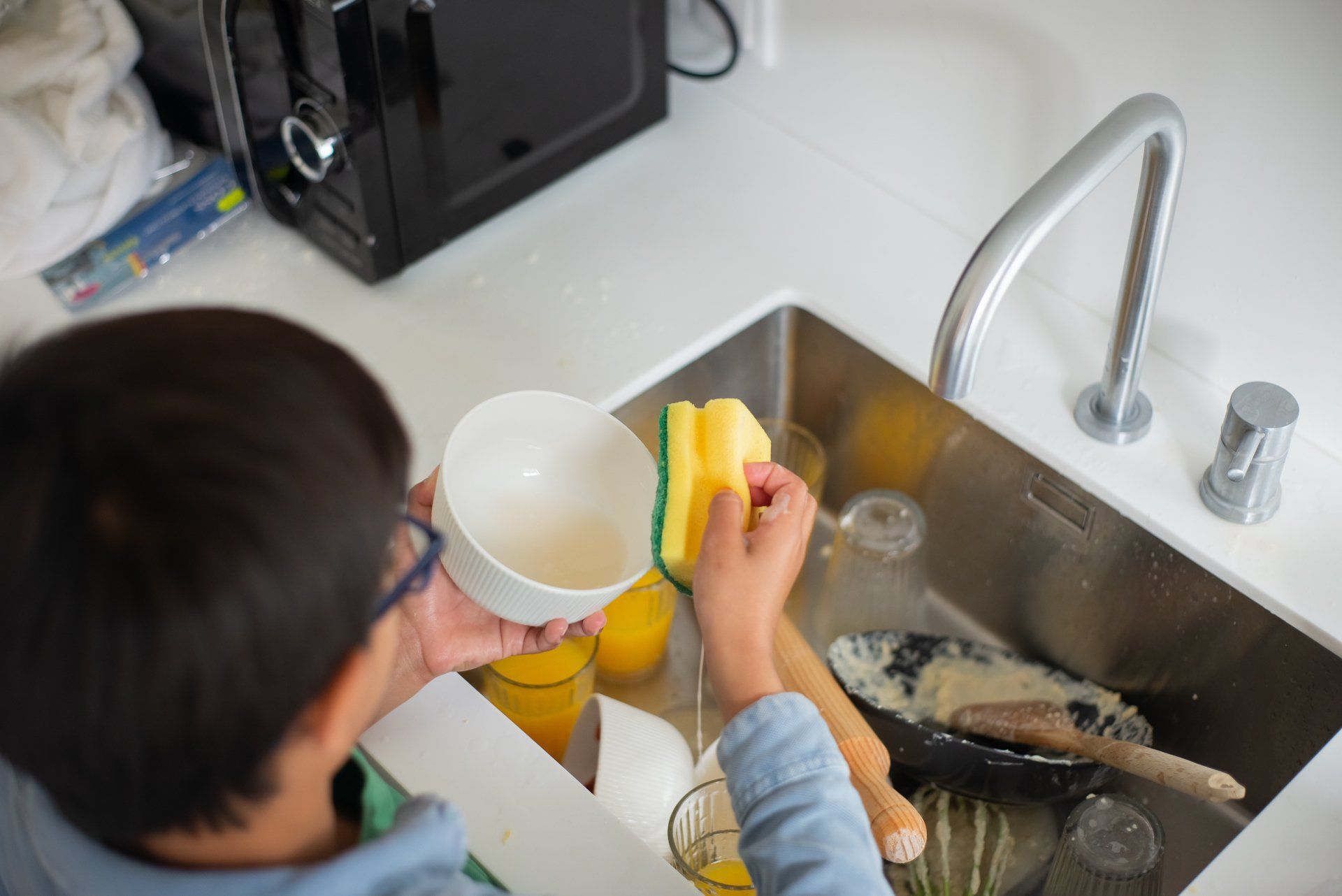
Why does my kitchen sink smell so bad?


Here's the deal - we spend a lot of time around a lot of smelly things. One question that we get asked most often? Why does my kitchen sink smell the way it does? So, lets dive into it as there are 2 main reasons.


Causes


First: We see a large amount of food/bio buildup between your sink and the p-trap underneath. Along with all of the nuts and washers that hold together the drainage system, we're also contending with a round pipe. This allows for small particles to become lodged into small nooks and crannies as well as get stuck on the side of the pipe. Over the course of time as these begin to break down and rot, they begin to smell. Simple enough, right?


Second: Improper venting. Your homes plumbing system is designed just like you and I. It's got to breathe in order to function properly. What happens when it doesn't? As wild as it may sound, improper venting on your drain, waste & venting (DWV) system can create a vacuum / suction. That washing machine around the corner from your kitchen sink pumps out a whole lot of water very quickly. When the pump for the washer turns on and discharges 20 gallons of water, it sucks the water right out of your kitchens p-trap.


How do I get rid of this?


The first problem is typically the easier of the 2 to correct but let me first say to never use any sort of "drain cleaner" liquid or acid to remove rotting organic material. It doesn't work, it's going to do more harm than good to your plumbing system, and quite frankly there are better ways to spend your hard earned cash.


What we do suggest (clinically proven!) is if you have a garbage disposal, toss some ice cubes and fresh squeezed lemon juice in it while it is turned to the "on" position. The ice will easily be chopped up while at the same time getting into those unreachable places to get the decomposing material out. The lemon juice will leave your disposal smelling clean & fresh. Follow this up by a small amount of baking soda and vinegar, then rinse it all down the drain! Secondly, there are organic products/enzymes that are designed to speed up the decomposition process of that good ol' smelly stuff! We keep a fast acting enzyme on the shelves in our vans that will take care of the smell + help with cleaning out the inside of your plumbing drainage system.


The second and more difficult issue of improper venting can sometimes be not so simple. As plumbing advances and we learn more about how things work, fixtures change, water consumption requirements change, etc. We've been in 80 year old houses that have no vent at all but an oversized drain line. We've seen hundreds of older homes with one massive 4" vent out the roof that is able to supply the whole house with the air it needs to breathe. A newer home may have 4+ smaller diameter vents that all connect in the attic. The kitchen sink is the one area that is used the most, but is also the most oddly placed fixture in the home. Because of this, venting of this fixture is often missed or not in the right place. You can have your plumber (us) connect a new vent in on the kitchens drain line and run it into the attic, though sometimes in the right place we are able to put an air admittance valve underneath the kitchen sink (will require reconfiguring what's under the sink). Although not nearly as easy as the first problem, it is certainly doable by a qualified and licensed plumber.


If you find yourself dealing with either situation and you would like to have one of our great technicians come and fix your problem, please give us a call (423)833-7590 or fill out the form on our website to contact us and we will reach out to you within 1 business day.


You might also like
By Chris Collins June 8, 2026
 Don't Let a Storm Leave Behind Costly Surprises After the recent heavy rains across Jonesborough and the Tri-Cities area, many homeowners are breathing a sigh of relief now that the skies have cleared. But while the storm may be over, your home's drainage and plumbing systems could still be dealing with the aftermath. Heavy rainfall can overwhelm gutters, outdoor drains, and drainage systems. When water isn't able to flow away from your property properly, it can lead to standing water, foundation issues, drainage backups, and costly repairs down the road. The good news? A simple walk around your property after a storm can help you spot potential problems early and prevent bigger issues later. Why Proper Drainage Matters Your home's drainage system plays a critical role in protecting your property from water damage. Its job is to direct rainwater safely away from your home and foundation. When outdoor drains become clogged or gutters overflow, water has nowhere to go. As a result, it can: * Pool around your home's foundation * Seep into crawl spaces or basements * Contribute to soil erosion around your property * Increase the risk of mold and mildew growth * Put extra strain on your drainage and plumbing systems Even minor drainage issues can worsen over time if left unchecked, especially during periods of frequent rainfall. 4 Quick Checks Every Homeowner Should Make After Heavy Rain 1. Check Outdoor Drains for Debris Leaves, mulch, dirt, and other debris can easily block outdoor drains during a storm. Take a quick walk around your yard and inspect any visible drainage grates or catch basins. Remove any debris that may be preventing water from flowing properly. If you notice standing water that remains several hours after the rain has stopped, there may be a blockage that needs attention. 2. Inspect Gutters and Downspouts Your gutters and downspouts are your home's first line of defense against water damage. Look for: * Overflowing gutters * Sagging sections * Loose connections * Debris buildup * Downspouts discharging water too close to your foundation Water should be directed several feet away from your home whenever possible. Properly functioning gutters can help prevent foundation problems and water intrusion. 3. Look for Standing Water Near Your Foundation Walk around the perimeter of your home and pay attention to areas where water may be collecting. Water should always flow away from your foundation. If you notice puddles or soggy areas near exterior walls, your property may need grading improvements or drainage adjustments. Ignoring these warning signs can lead to foundation settling, cracks, and moisture problems over time. 4. Watch for Plumbing Warning Signs Inside Your Home Heavy rain can sometimes reveal hidden drainage problems. Keep an eye out for: * Slow-draining sinks or tubs * Gurgling noises from drains * Unpleasant odors near drains * Water backing up where it shouldn't These symptoms may indicate a developing drainage issue that could worsen during future storms. When Should You Call a Professional? While many drainage concerns can be identified through a simple inspection, some issues require professional attention. Consider contacting a plumbing professional if you notice: * Persistent standing water * Recurring drain backups * Multiple slow drains throughout the home * Sewage odors * Water pooling near your foundation after every rainstorm Addressing these issues early can help prevent more extensive and expensive repairs later. A Few Minutes of Prevention Can Save You Thousands Many plumbing and drainage problems don't happen overnight. They often begin as small issues that go unnoticed until they become major headaches. Taking a few minutes to inspect your property after heavy rain can help you identify potential concerns before they lead to water damage, drainage failures, or costly repairs. Heavy rain may be unavoidable, but the damage it can cause often isn't. If you have concerns about your home's drainage system, outdoor drains, or plumbing after recent storms, the team at Collins Plumbing is here to help. We proudly serve Jonesborough and the Tri-Cities area with professional plumbing, drain cleaning, and drain inspection services designed to keep your home protected year-round.
By Chris Collins April 21, 2026
Sewer jetting is one of the most effective ways to clean your drains and it’s a lot more thorough than most people realize.

Book a Service Today